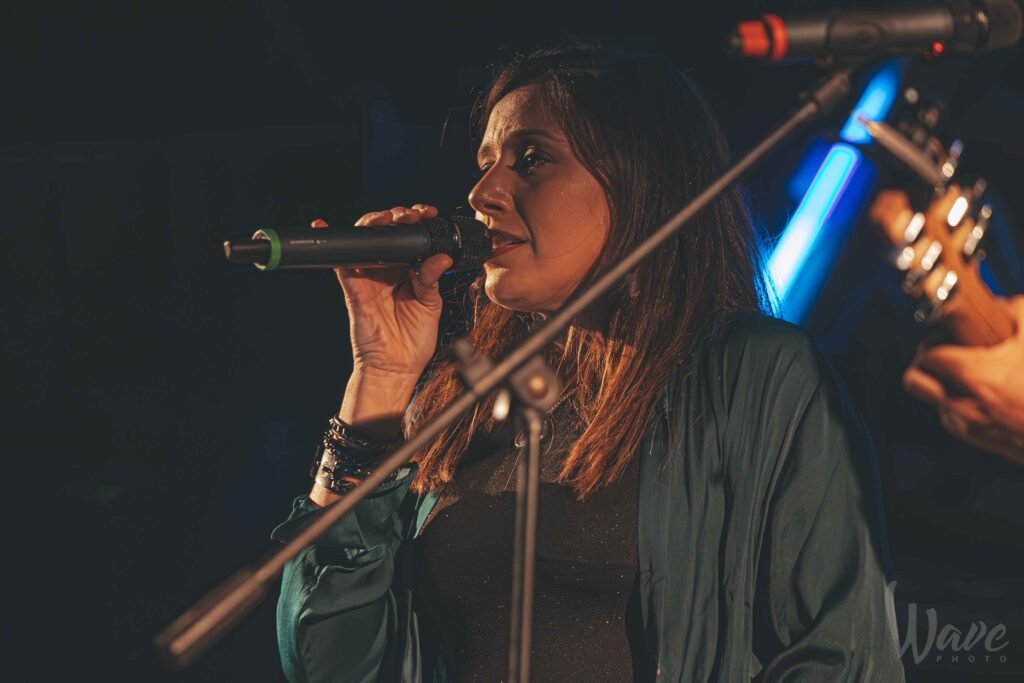
Build the first music video shot list against the finished track. Mark the first vocal, chorus, instrumental break and ending with timecodes. Then choose where the viewer should first see the artist clearly and where the visual idea should change.
Give each setup a musical purpose
If you also need release-day publicity, brief the behind-the-scenes photographer on which setups can be shown before the video premieres.
A quiet verse might use a close frame with little movement. A larger chorus might introduce the full band or a new location. Record a complete performance in the main setup so the editor has continuity when cutting between details, gestures and different takes.
Plan the version people will actually watch
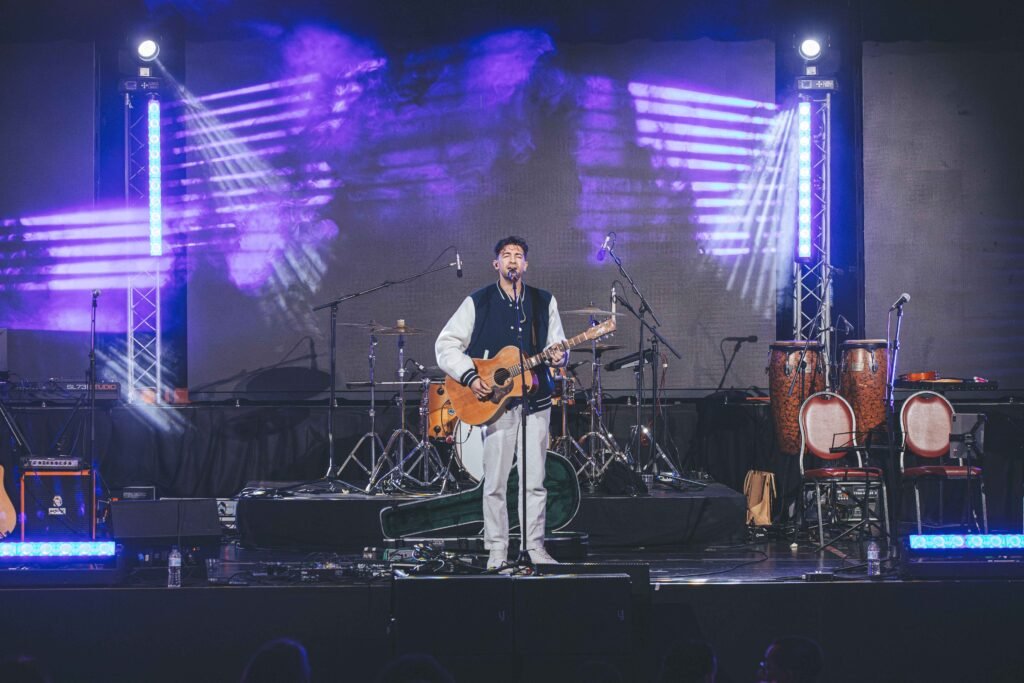
A wide master and a vertical teaser show different parts of a performance. Identify the section of the song for the teaser and leave enough space to frame the artist vertically. Share wardrobe and prop references so separate takes belong to the same visual world.
Make a coverage note for one chorus
Write the chorus start and end time on one line. Below it, specify the main performance frame, the close view you need for the strongest lyric and a detail that can carry a cut across a beat. If the artist plays an instrument, note the hand position or musical phrase that must match the audio. On the shoot, record which playback version was used for each take. That note is particularly useful when the final chorus sounds similar to the first but has different phrasing.
Start with the song and a clear visual idea
Listen to the track from beginning to end before collecting locations or props. Note the changes in energy, the strongest lines and any quieter passages. These musical features should guide the video. A visual idea becomes more useful when it has a clear relationship to the song.
Write the concept in a few plain sentences. Explain who appears, what the viewer sees and how the idea develops. If you cannot describe the central idea simply, it may contain too many separate directions. Choose the strongest elements before making a long shot list.
References can help explain lighting, pace or performance style. Say which part of each reference matters and avoid treating another artist's video as a complete template. Your track, performers and available settings should shape the final plan into something that belongs to this release.
Separate performance coverage from other scenes
A performance setup gives the edit a reliable foundation. Plan where the artist stands, how much movement is possible and which parts of the track need a clear view of the face or instrument. Record enough coverage to support the full musical passage, not just a few striking gestures.
Any additional scenes should have a purpose. They might introduce a place, suggest a relationship or provide a visual contrast during an instrumental section. Write down where each belongs in the song. This prevents the shoot from collecting attractive footage that has no clear role in the edit.
For a band, identify the moments when individual players matter most. A featured instrument or a change in vocal lead may deserve its own shot. Discuss these points with the performers so the coverage follows the music rather than dividing camera time equally without reference to the track.
Prepare playback, wardrobe and continuity
Confirm the exact playback version before filming performance takes. Changes in timing or phrasing can make synchronisation harder later. If the track is not final, explain what may still change and agree how that affects the plan.
Keep wardrobe and props organised by setup. Take simple reference notes so accessories, sleeves and objects remain consistent between related takes. The editor may need to cut between a wide performance and a closer view recorded later. Small continuity changes can become noticeable at that point.
Give performers enough room to repeat the action comfortably. A move that looks effective once may be difficult to reproduce across several takes. Build the plan around movement that suits the artist and the space. Clear preparation makes it easier to focus on expression when the camera starts recording.
Make locations serve the production
Assess each setting for access, usable space and the practical needs of the performance. A striking background may be unsuitable if there is no room for the planned camera angle or if the location cannot accommodate the activity. Confirm arrangements with the relevant owner or organiser before relying on it.
Keep travel between setups realistic. Moving people, clothing and equipment takes time that does not appear in the finished video. Fewer well-planned settings can provide stronger coverage than a long list of stops that leaves little time to film.
Have an alternative for any outdoor setup that depends heavily on conditions. Decide whether a change in light or weather would still fit the concept or require a different plan. The choice should come from the visual idea and practical arrangements rather than being improvised after everyone arrives.
Plan release versions before the shoot
Decide which parts of the video will support the release campaign. A vertical teaser, a short announcement and a full-length video may need different framing. Identify the musical sections for those shorter versions so the necessary coverage is captured deliberately.
Discuss titles, credits and any text that will appear. Leave room in the composition where needed and collect accurate spellings early. If you want behind-the-scenes photographs or short clips, brief them separately so they do not interrupt the main performance takes.
Before booking, agree the expected deliverables, review process and release timeline with Wave Photo Malta. Allow time for feedback and confirm who will consolidate comments from the artist and other collaborators. Keep the latest track, reference files and approved brief clearly labelled. A focused production plan connects the music, performance and final formats, helping the shoot produce footage that can become a coherent video rather than a collection of unrelated scenes.
Review the shot list against the available day
Estimate the time needed for each setup, including changing clothes, moving equipment and checking playback. Then identify the shots that carry the whole video if time becomes tight. Protect those before adding optional variations. A full performance in the main setup may be more valuable to the edit than a final extra location with only a few usable seconds. Share the priority order with the artist and crew so everyone understands the plan. Leave room for a successful idea to develop, but keep an eye on the coverage needed to connect the opening, strongest musical passages and ending into a complete piece.
Frequently asked questions
What should an artist send before asking for a quote?
Send the track or private listening link, lyrics, release date, number of performers and two visual references. Say what you like about each reference, such as the lighting or camera movement, so the brief stays specific.
What if the track is still being mixed?
Flag which elements may change. Confirm the playback version before filming lip-sync or instrument performances.
Plan your project with Wave Photo Malta
Contact Wave Photo Malta with your track and release plan to discuss a music video shoot. Email Wave Photo Malta.
Explore our video portfolio. Read our related guide: Commercial Videography Malta: Complete Guide for Businesses.