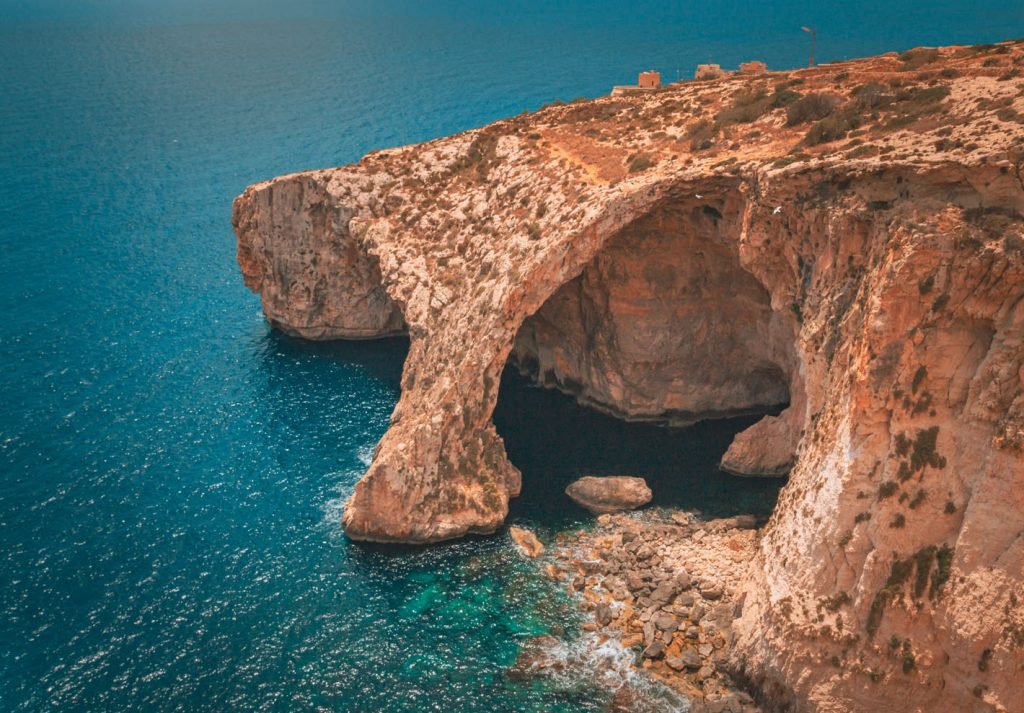
Choose a coastal landscape by looking at the wall as well as the view. A wide photograph with a low horizon can suit the space over a desk. A vertical crop of rock and water can work on a narrow wall where a panoramic coastline would lose its detail.
Decide what gives the scene its scale
A person on a path, a boat offshore or a recognisable headland changes how large the coast feels. If the photograph will be small, pick a strong shape that still reads from a few steps away. Fine ripples and distant buildings are easier to appreciate up close.
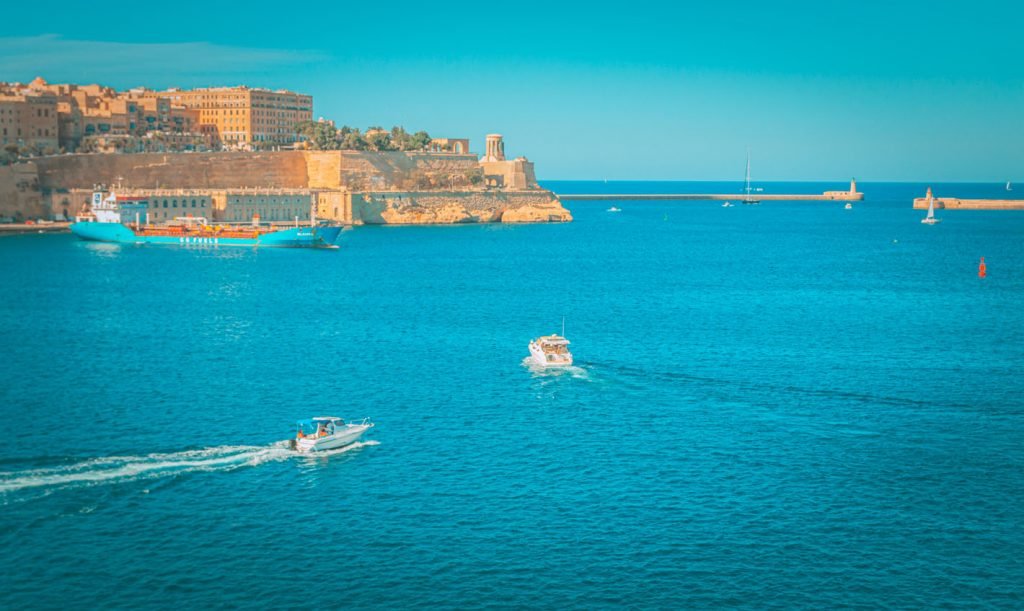
Brief a commissioned landscape
Describe what connects you to the place. It might be the path you take each morning, the colour of a bay or a view from a particular side of the harbour. A reference taken on your phone helps identify the viewpoint, even if the light or composition will be different.
Try the crop before choosing a landscape
Use the worked A3 cropping example to check how much of a wide coastal photograph will fit your frame.
Put two paper strips over the edges of a small reference picture to test a narrower frame. Watch what happens to the horizon, the path leading into the view and any boats near the edges. A crop can remove the very landmark that made a location recognisable to you. If that happens, consider a border or a different orientation. For a commissioned picture, show the photographer this test before the shoot so they can allow space around the features you want to keep.
Begin with the place the print will live
Look at the wall from the position where you normally see it. A photograph above a desk may be viewed closely, while one across a room needs a clear overall shape. Consider the surrounding furniture and the space around the frame before choosing a particular image.
Use a sheet of paper to test the size. Place it where the print would hang and step back. This makes the dimensions easier to judge than a small preview on a phone. Wave Photo Malta prints up to A3, so plan within that maximum when choosing a physical print.
Think about orientation as well as size. A narrow wall may suit a vertical detail of the coast, while a wider space may suit a horizontal view. The best composition is not always the one that shows the most scenery. It is the one that works clearly in the space where you will enjoy it.
Choose a scene for its personal meaning
A landscape can connect you to a place without including the most familiar viewpoint. A path you walk, a harbour corner or a particular stretch of rock may hold more meaning than a broad panorama. Tell the photographer what makes the place important to you.
If you are commissioning a photograph, send a simple reference showing the exact viewpoint. A phone picture is useful even if the light is unremarkable. It identifies the place and the features that need to remain in the composition. Explain whether the viewpoint itself matters more than a particular mood.
For an existing image, look beyond the first impression of colour. Notice where your eye travels and whether there is a feature you will still enjoy seeing repeatedly. A quieter composition can remain interesting through shape, texture and space rather than relying only on a dramatic sky.
Compare the mood of different light
The same coast can feel very different under soft cloud, direct light or the lower light near the end of the day. Think about whether you want a calm image, strong texture or a brighter sense of place. Describe the feeling rather than trying to specify every technical detail.
For a commissioned photograph, discuss how flexible the timing can be. The photographer can plan around the intended conditions, but cannot promise an exact sky or sea appearance. Decide which parts of the brief are essential and where you are comfortable allowing variation.
Also consider the light where the print will hang. A bright screen can make an image appear more luminous than a physical print. Review the photograph with its final display in mind and discuss any concerns before printing. The aim is an image that feels right in your room, not only on a device.
Protect the composition when cropping
Look for important features near the edges of the photograph. A small boat, a headland or the start of a path may provide balance. Cropping to fit a frame can remove one of those elements and change the way the scene reads.
Compare a full-image version with the proposed crop. If the narrower shape loses something meaningful, consider a border or another frame opening. A border is not merely empty space; it can preserve the original composition while allowing the print to fit the intended sheet.
For a commissioned image, share the desired frame shape before the shoot. The photographer can leave room around essential features and consider both orientations. This is more reliable than asking for a very specific crop after the viewpoint and framing have already been fixed.
Plan a small group of prints coherently
If you want several photographs together, choose a connection between them. It might be a shared location, a similar horizon height or a consistent colour mood. The images do not need to be nearly identical, but they should feel comfortable beside one another.
Lay small previews out before ordering prints. Try different sequences and look at the balance of light and dark areas. One strong image may work best on its own, while two quieter scenes may support each other. Check the spacing and frame dimensions as part of the arrangement.
Finally, send Wave Photo Malta the image choice or commission brief, the intended print size and any mount measurements. If the photograph is a gift, ask whether the recipient already has a frame. Keep the discussion focused on the visible opening as well as the outside dimensions. A carefully chosen landscape print combines the meaning of the place with a composition and size that work in everyday life, giving the image a clear purpose beyond being another photograph stored on a phone.
Write a useful landscape commission brief
A short brief can include the place, the feature that matters to you, the preferred mood and the intended print size. Add a reference photograph and explain how flexible you are about timing. If a particular boat, building or path must remain visible, name it clearly. Also say whether the picture is for your own room or a gift, since that may affect the crop and framing discussion. These details give the photographer a practical starting point. They are more useful than a general request for a beautiful view because they explain what will make the finished landscape personally successful for you.
Frequently asked questions
Can I request a particular sky or sea colour?
Share the mood you want and how flexible your dates are. Light, cloud and sea conditions vary. Agree which matters most: the exact viewpoint, the time available or waiting for a particular atmosphere.
How can I check the size at home?
Cut a sheet of plain paper to the intended print size, tape it in position and look from the spot where you normally sit or stand.
Plan your project with Wave Photo Malta
Send Wave Photo Malta the location, wall dimensions and a phone picture of the space. For a physical print, our maximum size is A3. Email Wave Photo Malta.
Explore our photography portfolio. Read our related guide: Best Photography Locations in Malta: Complete Guide by Wave Photo Malta.