
A business event shot list should say who needs the photographs the following morning. A sponsor may need its stand shown with visitors, a press contact may need an identified speaker and your team may want a room-wide photograph for the next invitation. Each use calls for a different frame.
Work backwards from the programme
Mark the events that cannot be repeated: an award handover, keynote opening or panel introduction. Add the room and a named contact beside each. If two sessions overlap, decide which has priority or discuss additional coverage before the day.
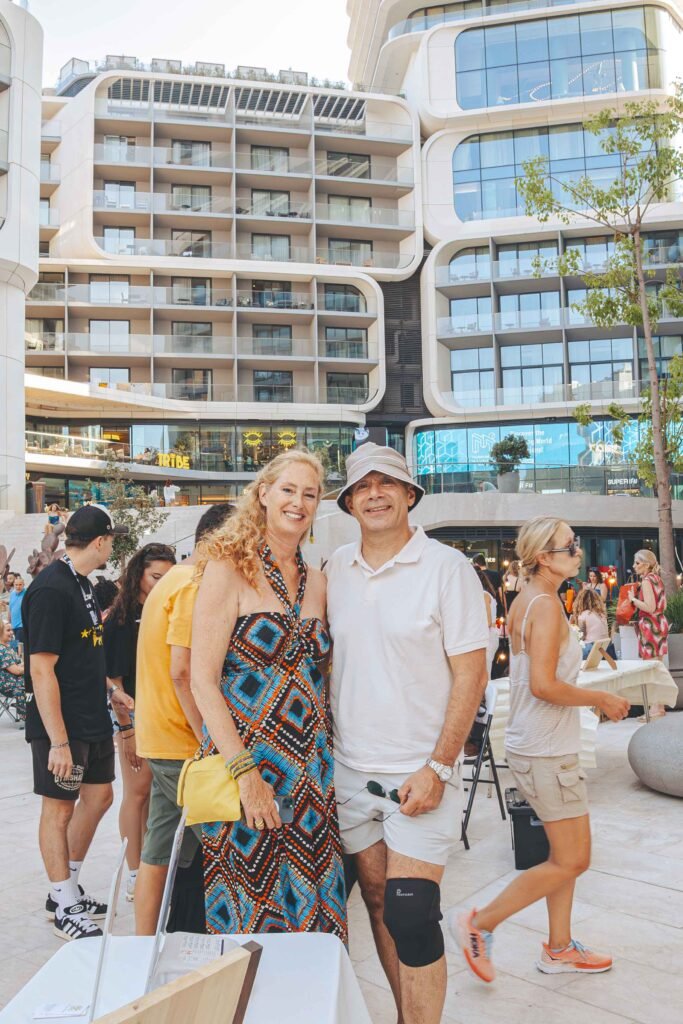
Get a useful sponsor photograph
If a sponsor also needs portraits for its website, brief those separately using our guide to professional headshots.
Show the sponsor’s name legibly and include the activity it supported. A conversation at a stand or a product demonstration gives context. For a group portrait, gather the participants during a scheduled break and double-check name spellings before captions are written.
Example brief for a conference panel
A concise panel brief might ask for the whole stage with the event name, an individual frame of each speaker and a photograph of an audience question. Include the panel title and the seating order, then identify anyone who must approve photographs before distribution. If the room is dark, say whether flash is allowed. For publication, ask the organiser to check the speaker names against the programme rather than trying to identify everyone from a photograph after the event.
Define the business purpose before writing a shot list
Ask each team what it needs from the event photographs. Marketing may want a future campaign image, communications may need a speaker photograph and human resources may want a record of colleagues meeting. These are related needs, but they do not always lead to the same composition.
Group the requests by use rather than by who sent them. A single well-planned group portrait may satisfy several teams. On the other hand, a sponsor image with readable branding may need a separate arrangement. Identifying these differences prevents a large brief from becoming a collection of duplicate requests.
Choose one final decision-maker. When the programme changes, the photographer needs someone who can confirm priorities quickly. That person should understand which deliverables are essential and which can wait. A clear contact is particularly useful when several departments or external partners are involved.
Turn essential moments into practical instructions
For every key moment, write the time, room and people involved. Add the person who can help identify participants. An instruction such as 'photograph the award' is incomplete if several awards happen in different rooms. A precise note helps the photographer be ready before the handover begins.
Include the moments just before and after the main action. A recipient approaching the stage, receiving the award and greeting colleagues can provide a fuller sequence. If a formal photograph is required, tell the presenter to pause briefly with the recipient before moving on.
Do not fill the brief with every possible image. Mark a small set of priorities and explain why they matter. The photographer can then look for additional moments while protecting the essential coverage. This is more useful than a checklist so long that it cannot fit the event schedule.
Make branding visible in a natural context
Branding works best when it belongs to the activity in the photograph. A sponsor representative demonstrating a product gives the logo a reason to be there. A wide room image can show the event identity while still explaining the scale and atmosphere.
Check the physical setup before delegates arrive. Banners can be hidden behind furniture, screens may display an unrelated slide and a registration table may collect bags. Small adjustments at this stage are easier than trying to repair a distracting background later.
For posed sponsor or team portraits, use a place with enough room for the whole group. Arrange the participants so faces and the essential branding remain visible. Confirm which logo version or event wording is current. If several partners require photographs, schedule them during a suitable break instead of interrupting sessions repeatedly.
Include people who are not on stage
Speakers are important, but the audience and working team explain much of an event's value. Photographs of discussions, demonstrations and attentive listeners show how people participate. Include organisers, support staff and exhibitors where they are relevant to the story you want to tell.
Tell the photographer about any restricted areas or private conversations. If certain guests should stay out of public photographs, nominate an organiser to manage that information. The coverage team should not have to guess which interactions are confidential or which attendees are comfortable being approached.
For informal group photographs, wait for a natural pause rather than stopping an active conversation. A nearby space with a clearer background may work better than the busiest part of the room. Brief, considerate direction helps people look relaxed while keeping the event moving.
Plan delivery as part of the event
If you need photographs during the event, identify the exact purpose and deadline before booking. A small press selection and a complete edited gallery require different workflows. Agree what is feasible, who chooses the first images and where they will be sent.
Prepare names, roles and approved captions in a shared list for the organiser to check. A photograph cannot always identify a speaker's preferred title or the exact wording of an award. Giving accurate information alongside the files helps the communications team publish confidently.
Also discuss image shapes and usage. A wide website header, a portrait announcement and a printed report may need different compositions. Share examples of existing layouts when possible. After delivery, keep the original files and the approved caption list together. Clear event and session labels make the archive useful for future campaigns, internal reports and follow-up communications, rather than leaving the team with a folder of attractive pictures whose context has been forgotten.
Check the brief against the venue layout
Read the shot list alongside a simple venue plan. Mark the stage, sponsor area, interview space and any room where a priority moment happens. Consider how long it takes to move between them while delegates are present. Two events scheduled a minute apart may be impossible for one photographer to cover if they are on different floors. Resolve those conflicts before the event by changing the priority, adjusting a portrait time or discussing additional coverage. This practical review is especially valuable when the person writing the brief knows the programme well but has not considered the camera team's route through the building.
Frequently asked questions
Can we request a selection for the same day?
Include that request in the brief with the deadline, number of images and person who will approve them. Agree on delivery before booking so it fits the event schedule.
What if the programme changes?
Nominate one organiser to pass on changes and highlight the next must-have moment rather than forwarding every timetable adjustment.
Plan your project with Wave Photo Malta
Send Wave Photo Malta your running order, venue, sponsor requirements and first publication deadline. Email Wave Photo Malta.
Explore our photography portfolio. Read our related guide: Why Professional Brand Photography Helps Businesses in Malta.
If your programme includes overlapping talks, sponsor activities and interviews, use our guide to planning conference photography and videography in Malta to decide which moments need separate coverage.
For an end-of-year team celebration, see our guide to Christmas staff party photography in Malta, including group portraits, awards and delivery planning.